
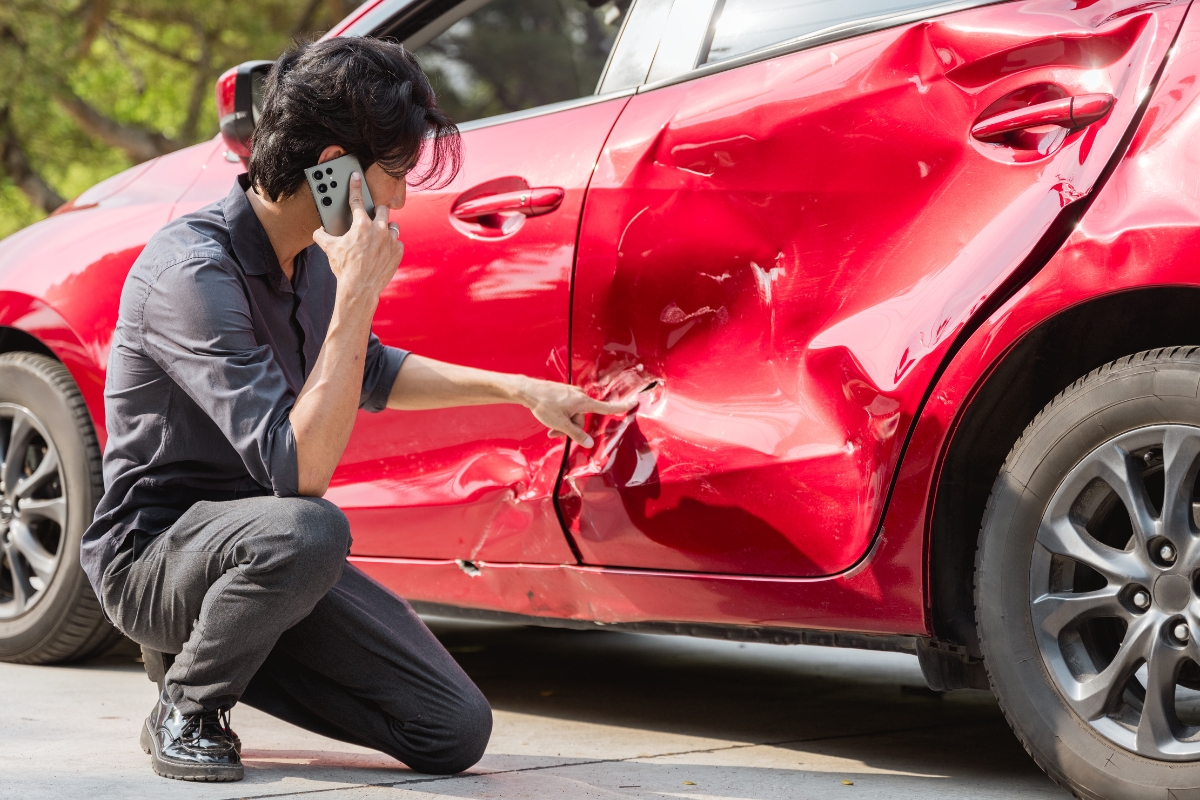
California is a land of constant motion. Here, sprawling highways and busy city streets connect communities across a vast and varied landscape. With so many vehicles sharing the road, accidents are an unfortunate part of life. While most motorists carry insurance as required by law, many still find themselves in collisions involving uninsured or underinsured drivers. In a state known for its dense population and heavy traffic, accidents can leave victims frustrated by unexpected financial burdens.
When an uninsured or underinsured driver is involved in an accident, the process of recovery becomes far more complex. Victims often must navigate difficult insurance claims, medical costs, and questions about compensation. Understanding how to respond, what documentation to gather, and the available legal avenues makes a significant difference in the outcome. Firms like the Ryan Law Group have extensive experience helping individuals understand their rights and options in these challenging circumstances. They ensure that victims of uninsured or underinsured drivers navigate the legal processes with clarity and confidence.
Understanding Insurance Terms
Uninsured drivers have no insurance coverage. However, underinsured drivers have coverage that is insufficient to cover the amounts they may be liable for after an accident. Understanding these definitions is critical for navigating the aftermath of an accident.
Assessing the Situation
Safety should be your priority right after a car accident. Check if anybody is injured and call for medical assistance if needed. If everyone is unharmed, move the vehicles out of traffic to prevent any additional collisions.
Gathering Information
Gathering comprehensive details is an essential measure. These details include the other motorist’s name, address, telephone number, registration number, and other automobile specifics. This information will prove especially important if dealing with uninsured or underinsured drivers. Taking photos of the accident scene, damage to the vehicle, and any visible injuries is also recommended.
Contacting Law Enforcement
Law enforcement can be involved if you think a police report can be beneficial, particularly when the other driver is uninsured or underinsured. An official police report serves as formal documentation for insurance claims. It also allows officers in the field to check the other driver’s insurance status, which can help clarify details.
Informing the Insurance Provider
Promptly notifying your insurance company is also crucial. Providing them with all the information you have collected, including the police report, can lead to a more straightforward claims process. Insurance agents can advise you on what to do next.
Exploring Legal Options
You can pursue legal action for damages against an at-fault driver who does not carry insurance or has inadequate insurance coverage. If your claim is strong enough, you can seek compensation through the legal system. A lawyer will know the feasibility of this approach. They can also provide insight into potential outcomes and what steps to take next.
Seeking Medical Attention
Even if your injuries appear minor, it is crucial to seek treatment from a medical professional. Certain types of injuries may not be immediately visible. Medical records can also be used as important evidence in insurance claims or legal proceedings. You should always prioritize your health and well-being.
Documenting Expenses
It is important to meticulously document every dollar spent due to the collision. This can include medical expenses and repair costs. Detailed documentation can help you with insurance claims and potential court processes.
Communicating Effectively
All parties involved, including the insurance companies as well as the attorneys, should communicate clearly. You should consider documenting every interaction, including emails and conversations on the phone.
Reviewing Insurance Policies
You should review your insurance policies after an accident. It is an opportunity to determine whether current coverage levels are adequate. You can change or upgrade your coverage to ensure better protection for future incidents.
Conclusion
Accidents that involve an uninsured or underinsured driver are always tricky. However, you can make this situation manageable by understanding insurance terms, collecting information, and seeking assistance from legal professionals. Focusing on safety, communication, and documentation will make the aftermath easier to manage.