
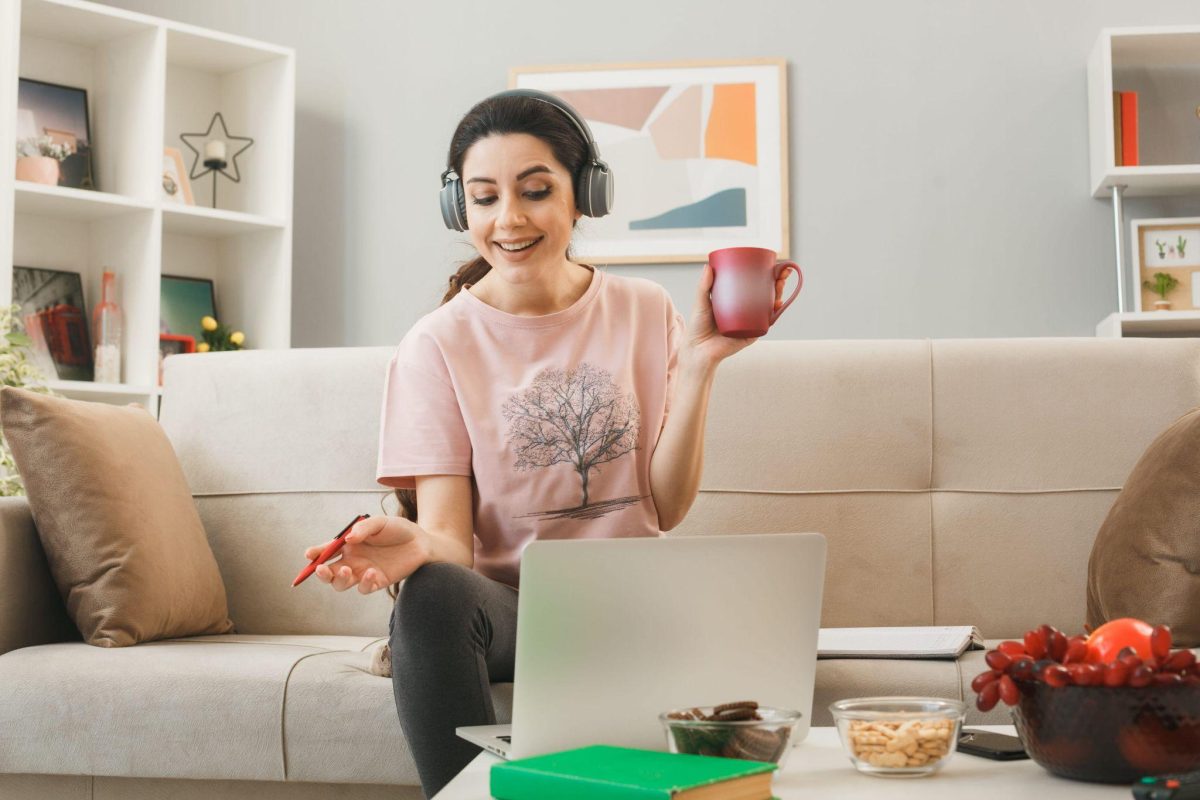
Shopping habits have changed since their previous form. Modern consumers purchase more than products because they choose products that create complete life experiences and establish their personal life identities. Customers make their purchases because they want to match their products with their daily life patterns, which include their morning coffee rituals, their work-from-home setups, and their wellness practices.
Brands use this shift to create their lifestyle marketing campaigns. Brands use emotional advertising, which shows common life situations to market their products instead of showing product specifications or price reductions. A clean visual, a familiar routine, or a simple narrative can build trust faster than any traditional advertisement.
Social media platforms have enhanced this phenomenon. People now use social media to share their daily activities while they create visually appealing content, which displays their personal life experiences to discover new brands and evaluate them. The authentic brand representation that customers perceive as genuine will succeed in the market.
The article demonstrates how lifestyle marketing affects consumer purchasing behavior while explaining its effectiveness in multiple business sectors and its impact on customers and companies that operate in an experience-based market.
What Is Lifestyle Marketing?
Lifestyle marketing means that brands begin to sell their products through their marketing, which shows customers how to live a particular lifestyle. They demonstrate product benefits by showing how their solution becomes part of your everyday activities instead of discussing only product specifications and costs. The gym reel creates a discipline image that appears fashionable, while the morning coffee setup delivers a peaceful experience through its design, and the clean desk photo shows productivity through its visual presentation.
Traditional advertising focuses on what a product does. The purpose of lifestyle branding is to create a particular emotional response in consumers through its products. One pushes information. The other builds a connection.
You see this everywhere: fitness culture promoting consistency, wellness routines encouraging balance, minimal living showing simplicity, and productivity aesthetics making work look inspiring. These messages quietly shape buying decisions without feeling like ads.
Brands lean into experiences because people remember moments more than specifications. When customers see themselves in a story or habit, they don’t feel sold to. They feel understood, and that’s what turns interest into action.
The Psychology Behind Lifestyle-Based Buying
People start their buying decisions through emotional assessment. People choose brands that create emotional responses and remind them of their admired figures, and that showcase their desired life path. A product becomes more appealing when it feels familiar to consumers and shows them something they can relate to, and creates an experience that motivates them.
Social proof creates a major influence in this situation. People develop comfort and trust when they observe others using products in everyday situations. The content delivers recommendations that feel like friend advice instead of commercial promotion. People take action because of their aspirational goals. People make purchases based on their needs for a clean apartment, an active lifestyle, and a peaceful morning environment.
People define their identity through various factors. When a brand aligns with personal values or lifestyle goals, the reaction is simple: “This feels like me.” Visual elements that display strong imagery together with authentic narratives enable consumers to make spontaneous purchases. Through one visual element or a brief video clip, the content creates an impression that acquiring a product will help you become your ideal self.
How Social Media Changed Lifestyle Marketing
Social media changed lifestyle marketing because it established new methods to promote products. The public believes creators who display their authentic daily activities more than they trust traditional advertising. The impact of influencers exists, yet common users have greater significance. An ordinary person’s post about their daily activities shows greater authenticity than a promoted advertisement.
Short videos have made decisions faster. A fifteen-second clip showing a morning routine or workspace setup can influence preferences in seconds. Trends like “day in my life” content quietly introduce products through habits rather than sales pitches.
What makes this powerful is subtlety. Products appear naturally inside routines, skincare on a bathroom shelf, coffee beside a laptop, and workout gear by the door. Nothing feels forced. Viewers don’t feel advertised to; they feel invited into someone’s lifestyle. The audience develops trust through this intimate connection, which leads to their purchasing decisions that occur unconsciously during their online browsing activities.
Different Industries Use Lifestyle Marketing As Their Main Marketing Method
Everywhere we look, there are various forms of lifestyle marketing which lets us see its widespread presence. The fashion industry expresses its lifestyle marketing through aesthetic living, which combines curated outfits with peaceful environments and personal style. The brand promotes its discipline method through daily training sessions and customer achievement testimonials, which drive constant exercise dedication. Food companies clean eating culture through their marketing, which shows basic meals and mindful eating habits and balanced eating schedules.
Skincare has taken a more personal approach. Brands today promote self-care rituals together with skin confidence as their main product marketing method. The product enables users to create their own routines through its ingredient transparency and their actual skin experiences. Many consumers today look beyond packaging and focus on how a product fits into their everyday habits, especially when building something like an acne control skincare routine.
All industries convey the same message because they show that purchasing products does not matter, but rather the way products work with your daily activities. People develop trust toward the experience when brands present their actual routines instead of showing their refined marketing promises.
The Relationship Between Lifestyle Marketing And Customer Loyalty Development
The success of lifestyle marketing depends on its capacity to create emotional connections with its customers. Customers who identify with a brand’s values or use its products in their daily life will return to make future purchases. People develop their habits without conscious effort. The routine of using a product during morning activities or exercise sessions, or self-care moments, leads to creating a comfortable relationship with the product.
Different communities start to develop when people start sharing their interests in wellness and productivity, and conscious living. Customers feel like they belong, not just like they purchased something. The connection between people leads to developing trust, which lasts longer than short-term sales performance. Brands that build long-term relationships with their customers will create loyalty that lasts for multiple years.
The Requirements Which Brands Need To Follow For Responsible Lifestyle Marketing
Every person who gains power should understand the obligations that come with their new position. The need for brands to stop using artificial beauty and overly polished visuals to market their products. The public needs to know about actual daily life experiences and their outcomes, which occur through authentic rendering, while they need to understand beyond perfect images.
Education needs to take precedence as the primary focus. Customers deserve clear information, not vague promises. The business needs to present information to customers about product advantages while providing them with accurate details about what they should anticipate. The most effective form of lifestyle marketing delivers real benefits that operate at a practical level instead of using visual appeal to draw in users.
The process of building customer trust develops naturally when brands assist customers in making better choices instead of pushing trendy products. The development of responsible storytelling practices leads to better customer relationships while maintaining organizational integrity throughout the upcoming years.
Conclusion
Lifestyle marketing has changed how people make buying decisions. Many shoppers now prefer to make their decisions based on their regular shopping patterns, their visual impressions, and their personal experiences rather than product prices and product characteristics. While this approach helps brands feel more relatable, it also makes emotional buying easier than ever.
The process of making informed choices holds important value. Research shows essential details about ideas that help people determine their actual value. The process of reading labels and understanding ingredients, together with questioning product claims, leads to better decision-making by consumers.
The best purchasing choices require people to find a compromise between two opposing choices. People should enjoy the creativity and motivation that lifestyle marketing brings, but critical thinking should remain their primary focus. Smart consumers take inspiration from what they see, and back it up with knowledge before spending their money.